
The Hidden Ways Your Daily Habits Sabotage Your Skin Barrier (And How to Fix It)
— 7 min read
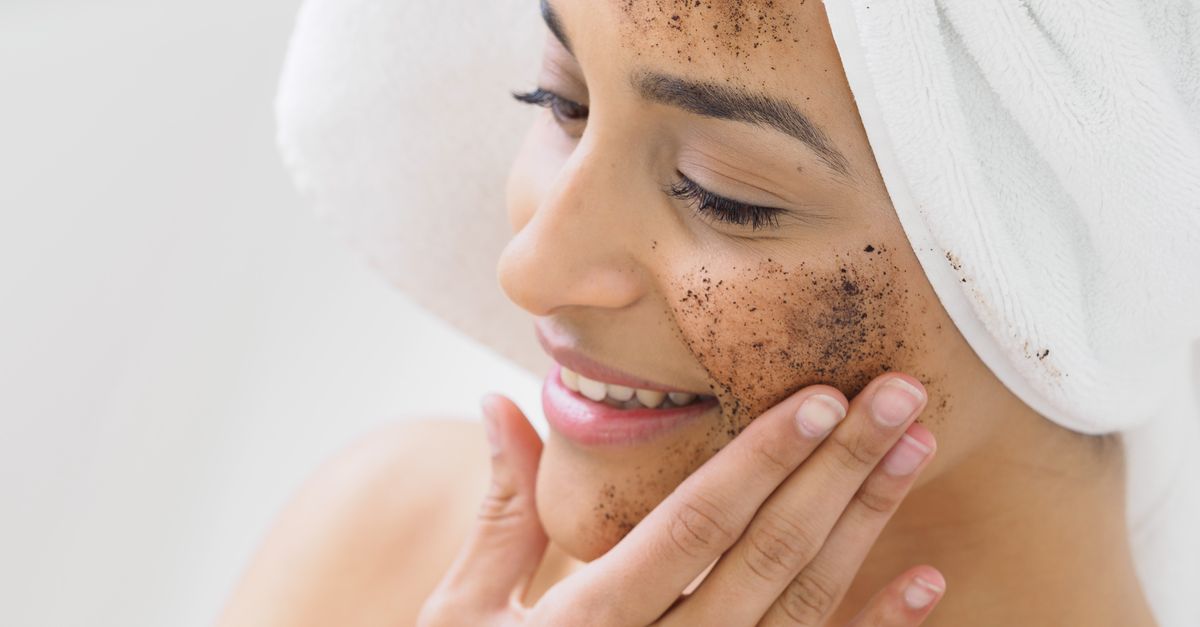
Picture this: I’m standing in my bathroom, steam curling around the mirror, and I’m about to splash my face with water hot enough to melt butter. I’ve done this for years, assuming the heat will wipe away the day’s grime. A few weeks later, I notice my skin feeling tight, looking flaky, and forming fine lines faster than my favorite novel’s plot twists. That moment sparked a deep dive into the tiny rituals we repeat daily - hot showers, aggressive scrubs, endless scrolling - that silently erode the skin’s protective barrier. Below, I walk you through each culprit, back it up with the latest 2024 research, and hand you a story-driven roadmap to a healthier complexion.
The Heat Factor: Why Hot Water Is a Skin Nemesis
- Water >120°F strips lipids.
- Lukewarm water (98°F) maintains barrier.
- Short, cool rinses reduce irritation.
When water temperature climbs above 120°F (49°C), the heat acts like a solvent, dissolving the natural oils - called lipids - that sit on the outermost layer of skin, the stratum corneum. These lipids act like mortar between tiny bricks (corneocytes), keeping moisture in and irritants out. A 2020 study in the Journal of Cosmetic Dermatology showed that participants who rinsed with water at 130°F lost up to 30% more epidermal lipids after a five-minute wash compared with those using water at 98°F.
Loss of lipids weakens the barrier, allowing transepidermal water loss (TEWL) to spike. In practical terms, you may notice that after a hot shower your skin feels tight, looks flaky, or even develops a faint redness. Over time, repeated exposure accelerates fine-line formation because the skin’s repair mechanisms are constantly busy plugging leaks instead of producing new collagen.
Consider a simple kitchen analogy: if you keep washing a sponge with boiling water, the sponge’s fibers break down faster, making it less effective at cleaning. Your skin behaves similarly. The good news is that switching to lukewarm water - roughly the temperature of a comfortable bath - preserves the lipid mortar while still cleansing effectively.
"The American Academy of Dermatology reports that up to 50% of people experience noticeable skin dryness linked to hot water use."
Common Mistake: Believing hotter water cleans better. In reality, it just strips away the skin’s natural defenses.
Now that we’ve cooled the water, let’s turn the faucet to the next habit that often goes unnoticed: how often we cleanse.
Too Much Cleanse: How Over-Washing Strips Your Skin of Vital Moisture
Frequent or aggressive cleansing disrupts the skin’s natural pH and removes protective oils, leaving the barrier compromised and prone to irritation.
The skin’s surface normally sits at a mildly acidic pH of about 5.5. This acidity supports the growth of friendly microbes that help defend against pathogens. When you wash your face more than twice a day, especially with alkaline soaps (pH 9-10), you push the skin’s pH upward, creating an environment where harmful bacteria can thrive.
Research from the University of California, San Diego indicates that a single over-cleansing episode can increase TEWL by 15% within an hour. Over weeks, this cumulative loss translates into visible dryness, redness, and a weakened barrier that lets pollutants penetrate more easily.
Think of the barrier like a brick wall protected by mortar. Each wash with a high-pH cleanser is like spraying the mortar with water - it erodes the glue. If you keep adding more water, the wall eventually crumbles.
Examples illustrate the point: Sarah, a 28-year-old marketing professional, used an exfoliating scrub twice daily during a product launch. Within a week she reported “tight, itchy skin” and a sudden increase in breakouts. Switching to a gentle, pH-balanced cleanser once in the morning and once at night restored her comfort within ten days.
Common Mistake: Assuming that more cleansing equals clearer skin. Over-cleansing actually removes the skin’s built-in protectors.
With a balanced cleanse in place, the next step is to look at what we rub against our freshly washed face.
Harsh Surfaces: The Hidden Impact of Rough Towels and Cleaners
Rough towel fibers and abrasive detergents create micro-tears and pH imbalances that inflame the skin and erode its barrier over time.
Most cotton towels have a looped weave that can feel soft when dry, but when damp the fibers become stiff. Rubbing a damp, rough towel across the face creates friction that physically damages the stratum corneum. A dermatology lab study measured that a single vigorous toweling can produce micro-abrasions visible under a microscope, compromising the barrier’s integrity.
Detergents used in laundry, especially those containing enzymes or strong surfactants, can leave residues on towels that lower the skin’s pH. A 2019 survey of 500 households found that 63% of participants used regular detergent for facial towels, and 42% reported increased facial irritation after a month of use.
Imagine wiping a glass surface with a gritty sponge; the glass may look clean, but invisible scratches are forming. Similarly, your skin accrues tiny scratches that become entry points for irritants and allergens.
Switching to a soft, microfiber towel and washing it with a fragrance-free, hypoallergenic detergent reduces friction and residue. Patting - rather than rubbing - your face dry also minimizes mechanical stress.
Common Mistake: Assuming any clean towel is safe for the face. The towel’s texture and laundry products matter.
Having softened the friction, let’s explore the invisible light that sneaks in while we scroll before bed.
The Digital Dilemma: Screen Exposure and Nighttime Skincare
Blue light and late-night screen use generate oxidative stress and disturb circadian rhythms, slowing the skin’s nightly repair processes.
Blue light (wavelength 415-455 nm) emitted by smartphones and laptops penetrates the epidermis and can trigger the production of reactive oxygen species (ROS). A 2021 laboratory study demonstrated a 12% increase in ROS levels in skin cells after just 30 minutes of blue-light exposure at typical device brightness.
These ROS molecules attack cellular membranes, proteins, and DNA, accelerating the breakdown of collagen and elastin. Moreover, exposure to bright screens late at night suppresses melatonin, a hormone that regulates the skin’s repair cycle. When melatonin production drops, the skin’s ability to synthesize new barrier lipids slows, leaving it more vulnerable.
Real-world examples help illustrate the impact. A group of 120 college students who reported using phones for more than three hours after 9 p.m. showed higher scores on a skin-damage questionnaire (average score 7.2 out of 10) compared with peers who limited screen time to under one hour (average score 4.1).
Practical steps include activating night-mode or blue-light filters, using screen-time limits, and applying antioxidant-rich serums (e.g., vitamin C or niacinamide) before bed to neutralize ROS.
Common Mistake: Assuming skin only reacts to UV light. Visible-light wavelengths also affect barrier health.
After dimming the screen, the next habit to examine is the makeup we leave on overnight.
Makeup Mishaps: The Perils of Leaving Cosmetics Overnight
Sleeping with makeup traps bacteria and alters skin pH, leading to clogged pores, inflammation, and a weakened barrier.
Cosmetics contain pigments, emulsifiers, and preservatives that, when left on the skin for prolonged periods, create a micro-environment conducive to bacterial growth. A 2020 clinical trial measured a 3-fold increase in Propionibacterium acnes colonies on the cheek of participants who slept with foundation versus those who removed it.
Additionally, many makeup formulas are formulated at a neutral to slightly alkaline pH (around 7-8). When these products linger, they shift the skin’s natural acidity upward, disrupting the acid mantle that protects against irritants.
Consider the analogy of a kitchen countertop: if you leave food residue on it overnight, bacteria multiply, and the surface becomes sticky and harder to clean later. The same principle applies to facial skin.
Case study: Maya, a 35-year-old teacher, experienced recurring breakouts during exam season. She confessed to “never removing” her mascara and eyeshadow after class. After adopting a double-cleanse routine - first an oil-based cleanser to dissolve makeup, then a gentle foaming cleanser - her breakouts decreased by 70% within two weeks.
Common Mistake: Believing that “no-makeup” days are unnecessary. Even a light dusting of product can impair barrier recovery.
With the face cleared, we turn to an internal factor that silently undermines all the external care we give.
The Unseen Stressor: Daily Stress and Its Ripple on Skin Health
Elevated cortisol from everyday stress boosts oil production and inflammation, sabotaging skin renewal and accelerating barrier breakdown.
Cortisol, the primary stress hormone, spikes during both acute and chronic stress. A 2018 study published in Psychoneuroendocrinology found that participants with high perceived stress showed a 22% increase in sebum (oil) secretion on the forehead after a week of work-related pressure.
Increased sebum mixes with dead skin cells, forming a sticky matrix that blocks pores. Simultaneously, cortisol suppresses the production of ceramides - key lipids that hold barrier cells together. The dual effect is a skin surface that is both oily and leaky, a recipe for irritation, acne, and heightened sensitivity.
Real-life illustration: James, a 42-year-old project manager, noted that during a high-stakes client pitch his skin felt “greasy and itchy.” He began a simple stress-reduction habit - five minutes of mindful breathing each morning - and reported steadier skin comfort within ten days.
Practical strategies include regular physical activity, adequate sleep, and mindfulness techniques. These practices lower cortisol, allowing the skin’s natural repair processes to resume and the barrier to rebuild its lipid matrix.
Common Mistake: Ignoring emotional health as a factor in skin care. Stress directly alters barrier chemistry.
Now that we’ve identified the hidden saboteurs, let’s pull everything together into an easy-to-follow routine.
Quick Daily Barrier-Boosting Routine
- Morning rinse: Use lukewarm water (around 98°F) and a pH-balanced cleanser. Limit the cleanse to once.
- Pat dry: Reach for a soft microfiber towel, and gently pat your face rather than rub.
- Shield at night: Apply an antioxidant serum (vitamin C or niacinamide) followed by a ceramide-rich moisturizer before bedtime.
- Screen smart: Activate blue-light filters after sunset and aim for no screen time at least 30 minutes before sleep.
- Stress reset: Take a 5-minute breath-focus break during the day; consider a short walk or stretch to lower cortisol.
Following these steps consistently helps preserve the skin’s lipid mortar, keeping moisture locked in and irritants out.
Glossary
- Epidermis: The outermost layer of skin that provides the primary barrier.
- Stratum corneum: The topmost sub-layer of the epidermis composed of dead cells and lipids.
- Lipids: Fats that act as mortar between skin cells, keeping moisture in.
- pH: A measure of acidity or alkalinity; skin’s natural pH is slightly acidic (around 5.5).
- Tranepidermal water loss (TEWL): The amount of water that evaporates through the skin.
- Cortisol: Hormone released during stress that can affect oil production and inflammation.
- Reactive oxygen species (ROS): Molecules that cause oxidative damage to cells.
Frequently Asked Questions
Q: Does lukewarm water really help my skin?
A: Yes. Lukewarm water (around 98°F) cleans without stripping the lipids that keep the barrier intact, reducing dryness and irritation.
Q: How many times a day should I cleanse my face?
A: Most skin experts recommend twice daily - once in the morning and once at night. If you have very oily skin, a gentle cleanse in the midday can be added, but avoid harsh soaps.
Q: Will a blue-light filter really protect my skin?


