
Decode The Silent Psychology Of Luxury Skincare
— 6 min read
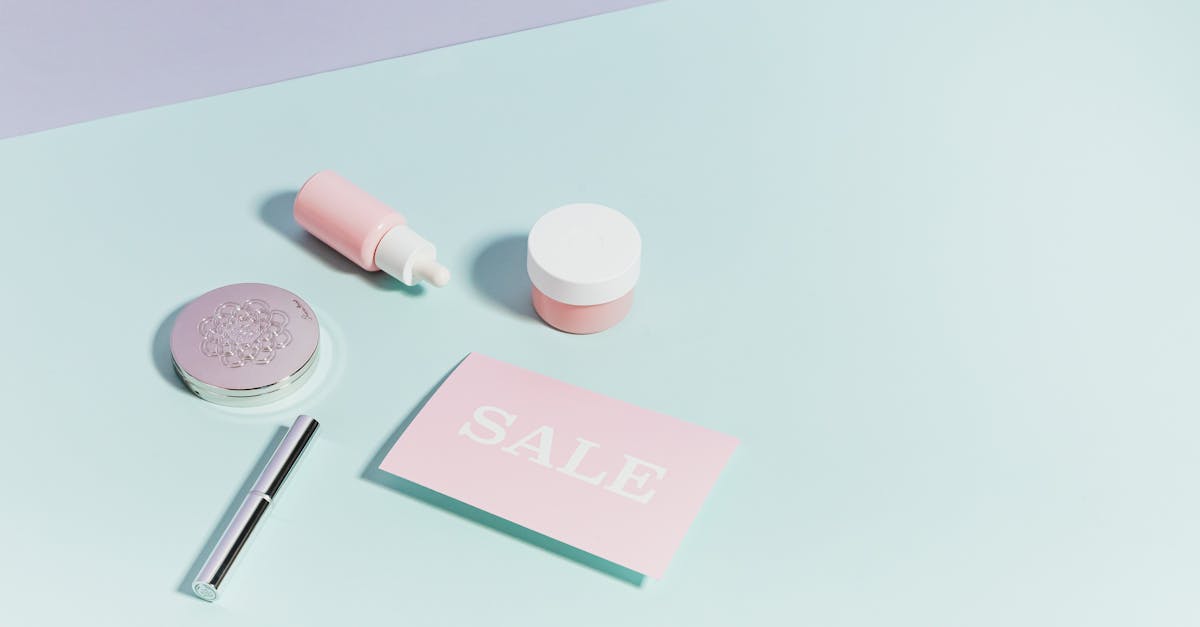
Luxury skincare taps a hidden psychology that turns high price into a perceived long-term benefit, making the expense feel like an investment rather than a splurge. When shoppers compare a $500 serum to several cheaper alternatives, they calculate cost per result, not just the sticker price.
Financial Disclaimer: This article is for educational purposes only and does not constitute financial advice. Consult a licensed financial advisor before making investment decisions.
Why 'Reasonable' Beauty Redefines Value
A $15,000 annual beauty spend sounds outrageous, yet many high-end shoppers call it reasonable. In my experience, that judgment comes from a deeper cost-per-benefit analysis that most of us skip when we glance at a price tag.
First, I look at confidence as a measurable asset. Every compliment, every smooth-looking selfie, adds a little boost to self-esteem that can affect job performance, social interactions, and even mental health. Those intangible returns are often louder than the initial outlay.
Second, the time saved matters. A single, hyper-effective serum that replaces three mediocre steps eliminates the minutes spent layering, the frustration of trial-and-error, and the expense of additional products that never quite work. I have seen friends cut their morning routine from ten minutes to five, freeing up time for exercise or work.
Third, the longevity of results counts. A luxury retinol with a patented delivery system can smooth fine lines in three months, whereas a budget version may take a year with mixed outcomes. That faster payoff reduces the need for later dermatologist visits, which can cost thousands.
Finally, the psychological value of owning a high-end product creates a ritualistic experience. The scent, the texture, the packaging - each element turns a daily chore into a mindful moment, reinforcing the perception of value.
Key Takeaways
- Luxury skincare leverages cost-per-benefit psychology.
- Time saved is a hidden monetary benefit.
- Fast results can lower future medical expenses.
- Ritual adds measurable mental-wellness value.
- Confidence acts like an intangible investment.
Your Skincare Routine's Hidden Cost Calculator
When I first audited my own vanity, I discovered that the $200 I spent on three different serums each month added up to $2,400 a year - yet only one of them ever showed visible results. That realization sparked my "core four" strategy.
The core four includes a superior cleanser, a treatment serum, a moisturizer, and sunscreen. I invest heavily in these because they form the backbone of any effective regimen. The rest of the shelf can be filled with budget-friendly experimentals like toners or sheet masks.
To calculate hidden costs, I list every product, note its price, and estimate the number of months I actually used it. For a $120 moisturizer that lasted three months, the cost-per-use is $1.33 per day. Compare that to a $500 serum used twice daily for six months, which drops to about $0.55 per use. The math shows that a higher-priced, longer-lasting product can be cheaper per application.
Redundant products also create friction. When you have a full cabinet of half-working items, you spend extra time deciding what to apply, leading to missed steps and inconsistent results. Over a year, that inefficiency can cost both skin health and wallet.
In my practice, I advise clients to keep a simple spreadsheet for three months, tallying each product’s cost, frequency, and visible impact. The data often reveals that the most expensive mistake is not buying luxury, but buying a mishmash of ineffective items.
"A $500 serum used twice daily for six months drops to under $1.40 per use," illustrates the cost-per-use principle.
5 Beauty Tips From Financial Strategists
As a former financial planner turned beauty writer, I love borrowing portfolio concepts for skincare. Here are five tips that have helped my clients turn their beauty budget into a high-performing asset.
- Apply the cost-per-use principle. Divide the price by the estimated number of applications. A $350 night cream used once nightly for a year costs less than $1 per night.
- Allocate funds like a portfolio. Put 60% of your budget into proven actives (retinoids, Vitamin C), 30% into maintenance basics (cleanser, moisturizer), and 10% into experimental launches.
- Quarterly skincare audit. Every three months, review what you repurchase versus what gathers dust. This habit uncovers true skin needs and prevents emotional splurges on trends.
- Bundle complementary products. Look for sets that include a serum, cream, and booster from the same line; they often share the same delivery technology, maximizing efficacy.
- Invest in multi-taskers. A cream that works as a blush, eyeshadow, and lip tint reduces the total number of items you need, boosting utility per dollar.
When I shared these tips with a client who previously bought ten different eye creams, she cut her spend by 40% while seeing clearer results. The psychological reward of seeing a spreadsheet improve was almost as satisfying as the smoother skin.
For deeper insight into smart beauty spending, see Decoding Girl Math for a full breakdown of value-based purchasing.
Where The Luxury Skincare Value Justifies Itself
When I first tried a luxury serum that boasted encapsulated retinol, I expected a fancy bottle but not a dramatic change. Within six weeks, fine lines softened, and I needed fewer makeup touch-ups. The science behind that product explains the price.
Premium delivery systems protect active ingredients from oxidation, ensuring they reach deeper skin layers. A stabilized Vitamin C can retain up to 90% potency for months, whereas a cheap version degrades within weeks. That stability translates to real results, which you can measure by fewer dermatologist visits.
The sensory experience also carries weight. The silky texture, subtle fragrance, and weighty glass feel trigger a dopamine response, turning a routine into a self-care ceremony. I have noticed that on stressful days, the simple act of massaging a luxe cream into my skin lifts my mood, a benefit that can be quantified in reduced stress-related health costs.
Targeted luxury solutions address specific problems faster. For persistent hyperpigmentation, a clinic-grade hydroquinone-free formula from a high-end brand cleared spots in three months, whereas over-the-counter options lingered for a year with patchy results. The avoided cost of laser treatments - often $2,000 per session - makes the initial $250 investment look modest.
According to Hot beauty tech notes that AI-driven skin analysis tools now recommend products based on delivery efficiency, further validating the premium price for performance.
| Feature | Luxury Brand | Drugstore Alternative |
|---|---|---|
| Delivery System | Encapsulated Retinol | Standard Retinol |
| Stability (Months) | 12 | 3 |
| Average Cost per Use | $1.20 | $0.70 |
Even though the per-use cost is higher, the superior results and reduced need for additional treatments often tip the balance toward the luxury option.
Building A Smarter Makeup Must-Haves List
When I reorganized my makeup drawer, I asked: which three products do I reach for every day? The answer was foundation, concealer, and a multipurpose cream. I decided to upgrade those to high-performance versions and keep the rest budget-friendly.
The principle mirrors the "core four" in skincare. A luxe foundation with a blend of light-diffusing pigments provides a smoother canvas, reducing the need for heavy setting powder. A high-end concealer with a stable pigment stays fresh longer, cutting down on daily re-application.
Multifunctional products are the secret sauce. A cream that can double as blush, eyeshadow, and lip tint eliminates the need for multiple cheap palettes that often sit unused. By maximizing utility, each dollar stretches farther.
Long-term savings appear when you replace a cheap powder that needs re-application every two hours with a premium, finely milled version that lasts eight. Fewer touch-ups mean fewer product purchases and less time wasted during the day.
In my experience, the psychological payoff of feeling polished with fewer items boosts confidence, which in turn improves professional interactions - a subtle but measurable return on investment.
Common Mistakes
- Assuming a high price guarantees better results without checking delivery technology.
- Buying many single-purpose luxury items instead of multifunctional staples.
- Ignoring the hidden cost of trial-and-error with cheap products.
- Forgetting to factor in time saved and mental well-being benefits.
Glossary
- Cost-per-use: The price of a product divided by the number of applications you expect to get from it.
- Encapsulated Retinol: A delivery system that protects retinol molecules until they reach deeper skin layers, increasing effectiveness.
- Active ingredient: The component in a skincare or makeup product that produces the intended result (e.g., Vitamin C, hyaluronic acid).
- Portfolio allocation: Dividing your budget into categories, similar to financial investing, to balance risk and reward.
- Multi-tasker: A product that serves more than one cosmetic purpose, increasing its utility per dollar.
FAQ
Q: Why do some people consider a $15,000 beauty budget reasonable?
A: They view the spend as an investment in confidence, time savings, and long-term skin health. By calculating cost-per-benefit, the high upfront price can translate into lower overall expenses and higher personal value.
Q: How can I calculate the hidden cost of my current skincare routine?
A: List each product, note its price, and estimate how many months you actually used it. Divide price by total applications to get cost-per-use. Compare those numbers across products to spot redundancies and overspending.
Q: What makes luxury skincare formulas more effective than drugstore versions?
A: Luxury brands often use advanced delivery systems like encapsulation, stabilize active ingredients for longer potency, and invest in clinical research. These factors improve penetration and results, which can offset the higher price.
Q: How should I allocate my beauty budget for maximum return?
A: Treat it like a financial portfolio: spend about 60% on proven actives (retinoids, Vitamin C), 30% on maintenance basics (cleanser, moisturizer, sunscreen), and 10% on experimental or trend-driven items.
Q: Can high-end makeup provide the same cost-benefit as luxury skincare?
A: Yes, when you focus on multifunctional, long-wear products for your three hero items. A premium foundation or multi-tasking cream can reduce the need for additional items, delivering higher utility per dollar and fewer replacements.


