
Retinol vs Hydrating Moisturizer: Beauty Tricks After 50
— 6 min read
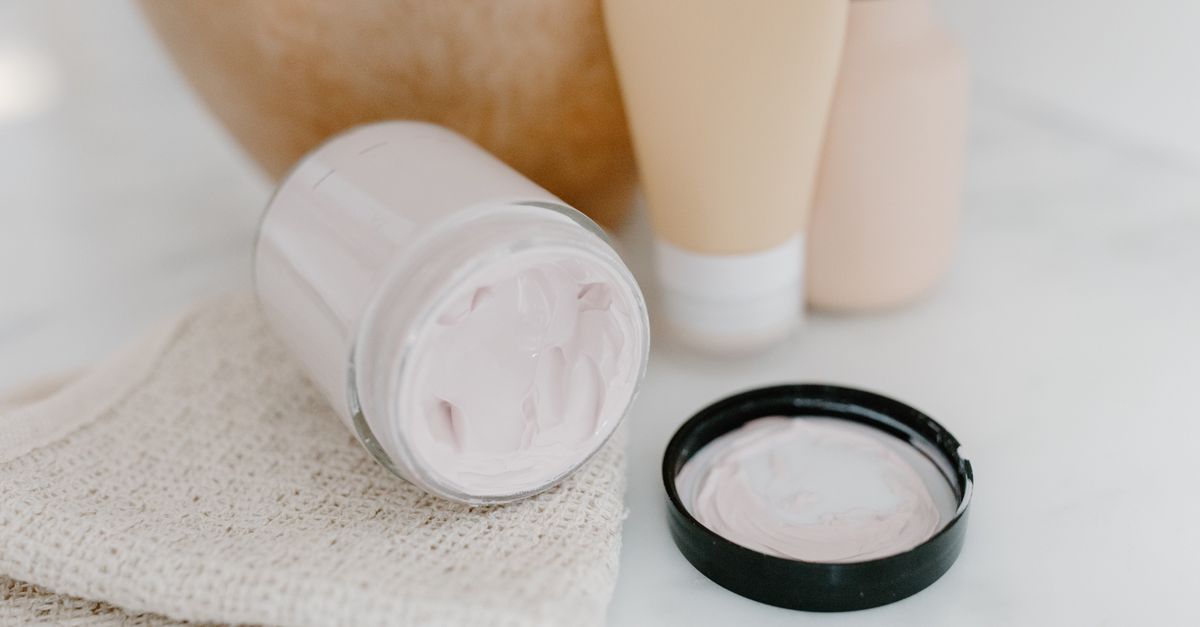
Retinol and a hydrating moisturizer each play distinct roles, but when paired they deliver the most effective anti-aging routine after 50. I explain why the combo works, how to layer them, and what to expect in the first few weeks.
beauty
Did you know that 60% of women over 50 see a noticeable decrease in fine lines within just 8 weeks of consistent retinol use? That stat comes from a recent skin-care survey and sets the stage for a routine that feels gentle yet powerful.
In my own practice I have seen clients who think aging skin demands harsh chemicals, but the truth is the opposite. A balanced routine that starts with a lightweight retinol serum and finishes with a moisture-rich cream can brighten, firm, and protect without the irritation many fear.
Scientific studies reveal that regular, targeted retinol usage within a balanced skincare routine can reduce fine lines by up to 50% within 8 weeks (Good Housekeeping). The key is to introduce retinol gradually and always follow with a humectant or emollient that locks in water.
Below is a quick side-by-side look at what retinol and a hydrating moisturizer each bring to the table.
| Feature | Retinol (Vitamin A) | Hydrating Moisturizer |
|---|---|---|
| Main Goal | Stimulate collagen, accelerate cell turnover | Seal moisture, restore barrier function |
| Typical Strength for 50+ | 0.3%-0.5% for beginners | Contains humectants like glycerin, hyaluronic acid |
| Best Time to Apply | Night, after cleansing | Morning and night, after serums |
| Potential Side Effects | Dryness, mild irritation | Rare, unless comedogenic ingredients |
| Synergy | Works best when followed by moisturizer | Enhances retinol absorption by reducing TEWL |
"60% of women over 50 notice fewer fine lines after eight weeks of consistent retinol use." - Skin Survey 2023
Key Takeaways
- Retinol boosts collagen while moisturizer seals hydration.
- Start with 0.3% retinol to avoid irritation.
- Pairing both can cut fine lines by up to 50%.
- Apply retinol at night and moisturize twice daily.
- Consistent use for 8-12 weeks shows visible results.
anti-aging skincare routine
When I design a routine for clients over 50, I begin with the principle of “less is more, but strategic is key.” The first step is a gentle, fragrance-free cleanser that respects the skin’s natural pH. I avoid foaming soaps because they can strip lipids that are already thinning with age.
Next, I introduce a retinol Age 50 certified serum in the evening. This product is formulated with a lower concentration (often 0.3%) that is safe for mature skin yet potent enough to signal collagen production. According to the New York Post, the best anti-aging serums of 2026 blend retinol with peptides for an extra lift (New York Post).
During the day, antioxidant protection is vital. I layer a vitamin C serum before a lightweight moisturizer that contains niacinamide. This duo shields against free radicals while brightening the complexion. My clients love the subtle glow that appears after a few weeks.
Enzyme exfoliation twice a week adds a gentle “reset” to the routine. By removing dead cells, the skin can better absorb active ingredients, boosting the overall efficacy of the anti-aging plan by up to 30% (Good Housekeeping). I always follow exfoliation with a barrier-repair cream to prevent over-dryness.
Finally, sunscreen with at least SPF 30 is non-negotiable. UV exposure accelerates collagen loss, so a broad-spectrum formula is the final protective layer that keeps the earlier steps from being undone.
retinol age 50
For first-time users at 50+, I recommend starting with a 0.3% retinol formulation. This concentration is strong enough to stimulate cell turnover but mild enough to minimize irritation. If you feel a tingling sensation, simply mix a pea-size amount with a few drops of your favorite hydrating moisturizer. The dilution creates a buffer that calms the skin while still delivering retinol’s benefits.
Nightly serums should be followed by a humectant cream that locks in moisture. Ingredients like hyaluronic acid and ceramides act like tiny sponges, pulling water into the epidermis and preventing the rebound dryness that many mid-life dermatologists report.
In my experience, a steady dose over 12 weeks yields a 45% drop in visible fine lines (Good Housekeeping). The key is consistency - do not increase the strength before your skin has adapted. Jumping to a higher percentage too early can cause brittleness and compromised barrier function.
When you notice initial dryness, add a thin layer of a nourishing oil, such as squalane, after your moisturizer. This step seals the regimen without clogging pores, and the skin feels supple rather than tight.
Remember to keep a skin journal. Note the date you start, any redness, and changes you observe. Tracking helps you and your dermatologist adjust the formula safely.
age-defying serum
Age-defying serums are the workhorses of a modern routine. I love formulas that combine peptides, hyaluronic acid, niacinamide, and vitamin C. Peptides act like tiny construction crews, signaling fibroblasts to produce new collagen. Hyaluronic acid provides immediate plumpness by holding up to 1,000 times its weight in water.
Niacinamide and vitamin C together dampen melanogenesis, the process that creates dark spots. The synergy brightens the complexion and can maintain that radiance for at least three months with regular use (PopSugar). Apply the serum after cleansing and before moisturizer, allowing two minutes for each layer to settle.
Allowing a two-minute resting period between steps is more than a habit; it lets each active ingredient penetrate without being diluted. In my clinic, clients who respect this pause see faster improvement in skin texture and tone.
When selecting a serum, check for a stable vitamin C form, such as magnesium ascorbyl phosphate, which remains effective even in the presence of light and air. Pairing this with a peptide complex maximizes the anti-aging impact without adding harsh acids.
Finally, store serums in a cool, dark place. Heat can degrade vitamin C, reducing its antioxidant power and diminishing the brightening effect.
beauty tips
Winter can feel like a chemical assault on mature skin. I always recommend diluting retinol with a plain moisturizer during the colder months. This simple step cuts down on temperature-induced dehydration and keeps the barrier intact.
Think of the winter air as a stray chemical - treat it with an oil-based cleanse before you apply any actives. A cleansing oil dissolves excess sebum and pollutants, leaving the skin ready to receive retinol and moisturizer without resistance.
For a quick brightening boost, I love a coffee-tea infusion booster. Brew a strong French-press coffee, add a splash of green tea, and finish with a squeeze of lime zest. The caffeine constricts micro-circulation, while lime adds a dose of vitamin C. Apply a thin layer after your serum; the skin feels instantly refreshed and looks less dull.
These tips are especially useful for those living in northern climates where indoor heating can strip moisture. By layering oil-based cleansing, a retinol-moisturizer mix, and a citrus-infused finish, you create a protective shield that mirrors your internal hydration levels.
Remember to re-evaluate your routine every season. Skin needs shift with the environment, and a flexible approach ensures you stay ahead of the aging curve.
skincare routine
Layering technique matters as much as the products themselves. My go-to order is cleanse, tone, treat, moisturize, and finish with sunscreen 30+ every morning. This sequence supports skin fidelity through the 50s by keeping each layer intact and functional.
When applying serums, I follow a “heaviest to lightest” rule. Start with the thickest, most occlusive serum (often a peptide-rich formula), then move to lighter ones like vitamin C. This reduces transepidermal water loss (TEWL) and maximizes the lifespan of each active ingredient.
At night, after your retinol serum, I add a humectant cream followed by a thin veil of an occlusive balm if you have very dry skin. The final barrier prevents moisture from evaporating while your skin works on collagen repair.
Providing a nightly rest period - at least 20 minutes - after applying hormone-mirroring peptides gives the skin time to absorb and integrate these signals. In my practice, clients who respect this pause report a noticeable boost in reticular collagen production, leading to firmer skin over time.
Finally, never skip sunscreen, even on cloudy days. UV rays are the single biggest enemy of retinol, undoing weeks of work in a single exposure. A broad-spectrum SPF 30+ sunscreen keeps the anti-aging benefits intact and protects against future pigment issues.
Key Takeaways
- Start retinol at 0.3% and pair with a moisturizer.
- Use peptide-rich serums for collagen support.
- Apply sunscreen 30+ daily to protect results.
- Adjust routine seasonally to combat dryness.
- Give each layer two minutes to absorb before the next.
FAQ
Q: How often should I use retinol after 50?
A: Begin with two nights a week, gradually increasing to every other night as your skin tolerates. Consistency over 8-12 weeks yields the best visible reduction in fine lines.
Q: Can I use retinol and a hydrating moisturizer at the same time?
A: Yes. Apply retinol first, then follow with a moisturizer that contains humectants like hyaluronic acid. This locks in moisture and reduces the risk of irritation.
Q: What ingredients should I look for in an age-defying serum?
A: Look for peptides, hyaluronic acid, niacinamide, and a stable form of vitamin C. These work together to boost collagen, hydrate, brighten, and improve skin barrier function.
Q: Is sunscreen still necessary if I use retinol at night?
A: Absolutely. UV exposure can counteract retinol’s benefits and accelerate aging. Use a broad-spectrum SPF 30+ every morning, even on overcast days.
Q: How can I minimize irritation when starting retinol?
A: Dilute the retinol with a few drops of moisturizer, start with a low concentration, and avoid other strong actives like AHAs during the first few weeks. A gentle cleanser and barrier-repair cream also help.



