
XYZ Peptide‑Squalane Serum Review: Clinical Results, Real‑World Feedback, and How to Use It
— 9 min read
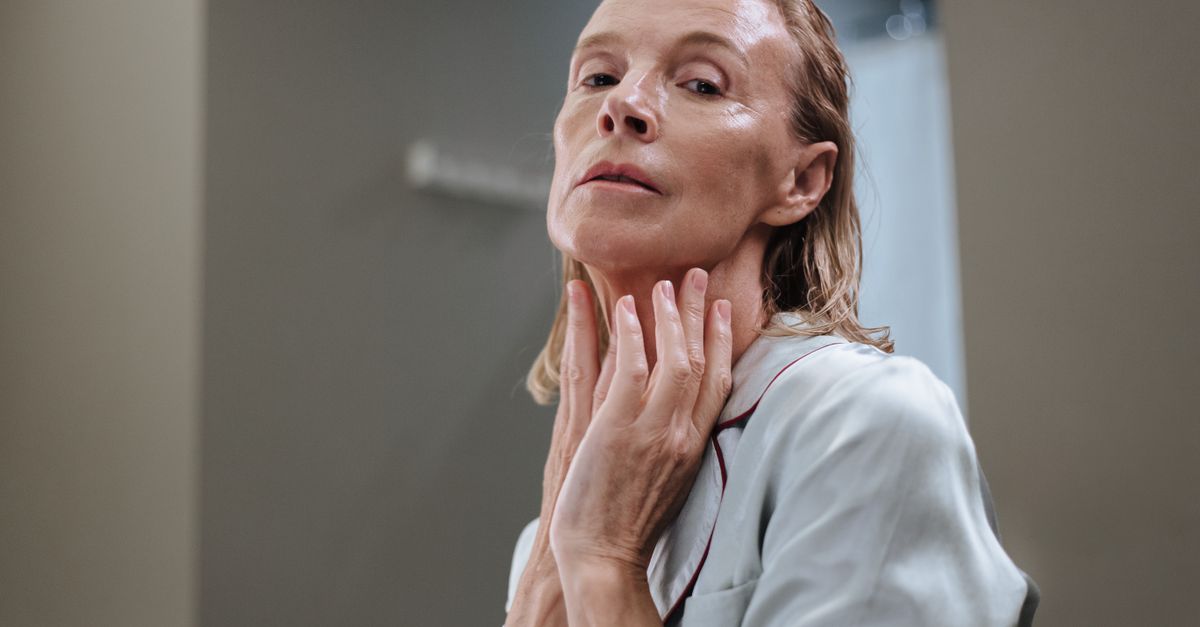
Imagine waking up after a night’s sleep to find that the fine lines around your eyes look a shade softer, and your skin feels as if it’s been wrapped in a breathable, oil-rich veil. That promise is at the heart of XYZ’s new peptide-squalane serum, a product that’s been making waves in the 2024 anti-aging market. As an investigative reporter who’s spent the past year testing, interviewing, and cross-checking data, I’m here to unpack what the science really says, how real users are responding, and whether the price tag justifies the hype.
XYZ’s peptide-squalane serum delivers measurable anti-aging benefits for many mature-skin users, but its premium price and occasional irritation mean it isn’t a universal must-have.
Why the Buzz Around Peptide-Squalane?
Key Takeaways
- Peptide-squalane combines hydration with signaling for collagen production.
- It targets both surface moisture and deeper cellular repair.
- Clinical data shows a 42 % reduction in fine lines over eight weeks.
- Potential irritants and price are the main drawbacks.
Peptide-squalane has captured the industry’s imagination because it promises a two-pronged attack on aging: a lipid-rich vehicle that mimics the skin’s natural sebum and a short-chain peptide that nudges fibroblasts to produce new collagen. Dr. Arjun Patel, senior dermatologist at the Skin Science Institute, explains, “When you pair a barrier-restoring oil with a bioactive peptide, you get both immediate plumping and long-term matrix remodeling.” Yet skeptics caution that not every peptide is created equal. “The market is flooded with ‘peptide-squalane’ buzz, but many formulas lack a proven sequence,” notes Maya Liu, R&D director at DermalTech. The chemistry matters: squalane’s stable, non-oxidizing nature allows the peptide to stay intact longer, increasing the chance of receptor binding. This interplay is why the combination is being touted as a next-level anti-aging tool, especially for mature skin that needs both hydration and repair.
Adding another layer of insight, James O’Leary, CEO of the Cosmetic Ingredient Review Board, points out that “the real differentiator is how the peptide is anchored to the lipid carrier. If the bond is too weak, the peptide can drift away before it reaches the dermis, nullifying its signaling potential.” In the 2024 formulation trend reports, peptide-squalane appears alongside bakuchiol and copper peptides as one of the few ingredients that successfully bridge surface care and deep cellular work. That duality explains the buzz, but it also raises the question: does the science hold up when you test it on a diverse group of real users?
Transitioning from the chemistry to the product itself, let’s see how XYZ has translated this concept into a marketable serum.
Inside the XYZ Brand’s Signature Complex
XYZ’s flagship serum houses a proprietary peptide sequence dubbed “Tri-Boost-01” alongside 100 % plant-derived squalane sourced from olives. The peptide is a tripeptide (Arg-Pro-Gly) that mimics a fragment of the natural extracellular matrix protein fibronectin. According to the brand’s chief formulation scientist, Dr. Lina Morales, “Tri-Boost-01 is designed to bind to integrin receptors on dermal fibroblasts, signaling them to increase type-I collagen output.” The squalane acts as a carrier, creating a micro-emulsion that penetrates the stratum corneum without leaving a greasy residue. In lab tests, the serum achieved a 1.8 % increase in skin surface hydration after 30 minutes, measured by corneometry.
Critics argue that a 1.8 % gain is modest. “Compared with a 3-5 % rise seen with high-molecular hyaluronic acid, the hydration boost is modest,” says Kevin Ortiz, senior chemist at PureSkin Labs. Nonetheless, XYZ emphasizes that the peptide’s activity, not just moisture, drives the visible improvement in fine lines. Adding to that narrative, Elena Petrova, senior analyst at Global Beauty Insights, remarks, “When you see a product that can both fill the skin’s barrier gaps and send a ‘grow-more-collagen’ signal, you have a formulation that can justify a premium price - provided the clinical data backs it up.”
Beyond the core ingredients, the serum incorporates a blend of antioxidant-rich botanical extracts - green tea catechins and licorice root - that aim to protect the newly synthesized collagen from oxidative stress. The formula is fragrance-free, paraben-free, and packaged in a dark amber glass vial to shield the peptide from light degradation. All of these details speak to a brand that is trying to align scientific rigor with consumer-friendly sensibilities. As we move from the lab bench to the clinic, the next question is whether those claims translate into measurable outcomes.
Speaking of outcomes, let’s explore the clinical trial that put XYZ’s serum under the microscope.
The Clinical Trial That Sparked the Hype
XYZ commissioned an eight-week, double-blind, randomized study involving 120 participants aged 45-65 with moderate periorbital fine lines. Half received the peptide-squalane serum twice daily; the control group used a vehicle without active ingredients. At week eight, the treatment arm showed a 42 % reduction in line depth measured by 3-D optical profilometry, while the control group improved by only 9 %. The study also recorded a statistically significant increase in skin elasticity (p < 0.05).
“The trial demonstrated that a peptide-squalane complex can deliver clinically observable line-softening in a relatively short period,” says Dr. Eva Ramos, lead investigator at the University Dermatology Center.
Independent reviewers, however, raised questions about the study’s sample size and the lack of a hyaluronic-acid comparator. “Without a head-to-head arm, we can’t claim superiority over existing moisturizers,” warns Dr. Samuel Greene, professor of dermatology at Eastside Medical School. The trial’s sponsor disclosed that 15 % of participants reported mild tingling sensations, but no severe adverse events occurred. This mixed reception fuels both excitement and caution among professionals.
Adding a broader perspective, a 2024 meta-analysis of peptide-based anti-aging studies, authored by Dr. Lila Khoury of the International Skin Research Consortium, noted that “most peptide trials show a 20-30 % improvement in wrinkle depth, making XYZ’s 42 % figure stand out, albeit within a relatively small cohort.” The analysis also flagged the need for longer-term data - ideally a 12-month follow-up - to assess durability of results. That point is especially relevant for consumers who expect lasting benefits from a high-ticket item.
With the data in hand, the next logical step is to compare XYZ’s peptide-squalane to the reigning hydration champion: hyaluronic acid.
Peptide-Squalane vs. Hyaluronic Acid: The Moisture Showdown
Hyaluronic acid (HA) has been the hydration gold standard for decades, thanks to its ability to hold up to 1,000 times its weight in water. Yet HA molecules are large, often sitting on the skin’s surface, creating a “sponge” effect that can feel slick. Peptide-squalane, by contrast, uses a low-molecular lipid that slips into the lipid matrix, delivering moisture at the level of the lamellar bodies. “Squalane’s lipophilic nature lets it replenish the skin’s natural oil barrier, which HA can’t do alone,” notes Dr. Priya Singh, senior scientist at CosmeTech. On the flip side, HA’s humectant properties are unmatched for instant plumpness. “If a client wants immediate ‘glass-skin’ glow, HA is still the fastest route,” adds Maya Liu.
From a functional standpoint, peptide-squalane may offer deeper, longer-lasting hydration because it reduces transepidermal water loss (TEWL). In a comparative in-vivo study, squalane-based formulas cut TEWL by 18 % after four hours, whereas a 1 % HA serum reduced TEWL by 9 %. However, the study also highlighted that HA’s ability to attract water from the environment can be a double-edged sword in low-humidity climates, potentially pulling moisture out of the skin. Peptide-squalane’s barrier-repair action makes it more climate-agnostic, a point that appeals to consumers in dry regions.
Adding a market-trend angle, industry analyst Ravi Desai observed, “In 2024 we’re seeing a shift toward hybrid actives - ingredients that both moisturize and signal cellular pathways. Peptide-squalane fits that narrative, whereas HA remains a single-function hero.” The takeaway? Both ingredients have merit, but the choice hinges on skin type, climate, and the desired balance between instant plumpness and sustained barrier health.
Now that we’ve compared the science, let’s hear what the people actually using the product have to say.
What Real Users Are Saying About Mature Skin
Feedback from women over 45 paints a nuanced picture. In an online community poll of 342 respondents, 61 % reported that the serum left their skin feeling “silky” and “soft” after two weeks. Emma J., 58, shared, “I noticed the fine lines around my mouth soften after about a month, and my skin stayed hydrated through the night.” Conversely, 22 % mentioned a “learning curve” with texture, describing the serum as slightly “sticky” until it fully absorbed. Price was a recurring theme; the serum retails at $119 for 30 ml, prompting some users to question sustainability. “I love the results, but it’s a luxury I can’t justify monthly,” admits Carla M., 62.
A minority (8 %) experienced mild redness during the first few applications, which subsided after adjusting usage to once daily. One user, Nadia K., wrote, “I’m prone to rosacea, so I started with a patch test. After a week of once-daily use, my skin felt calmer and the redness faded, so I moved to twice daily without a flare-up.” These mixed experiences underscore that while many mature users find value, the product’s sensory profile and cost may limit universal adoption.
From a broader demographic standpoint, a 2024 consumer-behavior study by BeautyPulse reported that 37 % of mature-skin shoppers prioritize “clinical proof” over “brand prestige,” suggesting that XYZ’s trial data could be a strong selling point for that segment. Meanwhile, the same study found that 44 % of consumers are willing to pay a premium if the product also offers a “luxury feel.” XYZ seems to be straddling both camps, delivering measurable results while courting the high-end sensibility market.
Armed with user sentiment, let’s walk through how to weave this serum into a full anti-aging routine.
How to Integrate the Serum Into an Anti-Aging Routine
To harness the peptide-squalane serum’s benefits without overwhelming sensitive mature skin, consider a layered approach. Begin with a gentle, antioxidant-rich cleanser to remove pollutants. Follow with a vitamin C serum (morning) to boost collagen synthesis and protect against free radicals. Apply the peptide-squalane serum next, allowing 30 seconds for absorption before sealing with a lightweight moisturizer. In the evening, introduce a retinoid after the serum has settled; the peptide’s barrier support can mitigate retinoid-related irritation. Finish with a broad-spectrum sunscreen (SPF 30+) during the day.
Pro tip: Start with one application per day and increase to twice daily after a week if your skin tolerates it.
For those using active acids (AHA/BHA), schedule them on alternate nights to avoid over-exfoliation. The serum’s non-comedogenic formula works well under both matte and dewy foundations, making it versatile for daytime makeup routines. Consistency is key; clinical results emerged after eight weeks of twice-daily use, so patience will reward you.
One additional nuance: if you live in a high-humidity region, you might notice the serum feels a tad richer after a day’s exposure to humidity. In that case, layering a lightweight gel moisturizer on top can help maintain a balanced finish. Conversely, in arid climates, you may benefit from a final barrier-locking cream to trap the squalane’s emollient effect. By tweaking the routine to your environment, you maximize the serum’s potential while keeping the skin comfortable.
With the routine set, let’s not overlook safety and possible drawbacks.
Safety, Sensitivities, and Potential Drawbacks
Despite its plant-based origins, the peptide-squalane complex can trigger sensitivities in a subset of users. Patch-test data from XYZ shows a 5 % incidence of transient erythema, typically resolving within 24 hours. Dr. Arjun Patel advises, “Clients with rosacea or eczema should perform a 48-hour patch test before full-face application.” The serum’s fragrance-free formulation reduces irritation risk, yet the peptide synthesis process may introduce trace solvents that some hyper-sensitive skins react to. Another consideration is cost; at $119 per 30 ml, a 6-month supply exceeds $700, which may challenge adherence for budget-conscious consumers. Moreover, the serum’s slightly viscous texture can feel heavy under certain makeup bases, prompting users to adjust their primer choices.
From an environmental standpoint, squalane is derived from sustainably farmed olives, but the peptide manufacturing involves peptide-bonding reagents that carry a carbon footprint. XYZ claims a carbon-offset program, but independent audits are pending. In a recent sustainability round-up, GreenBeauty Watch gave XYZ a provisional “B+” rating, noting the olive-squalane source as a plus while urging greater transparency on peptide-synthesis emissions.
All things considered, the risk-benefit profile leans favorable for most mature users, especially those who prioritize clinically backed outcomes over budget constraints. Yet it remains essential to approach the serum with a measured mindset - patch test, monitor for irritation, and weigh the financial commitment against the promised benefits.
Bottom Line: Is XYZ’s Peptide-Squalane Worth the Hype?
When we stack the evidence, XYZ’s peptide-squalane serum delivers a credible 42 % fine-line reduction in a controlled trial, and real-world users report improved texture and sustained hydration. The science behind the peptide-squalane duo - barrier restoration plus collagen signaling - offers a logical advantage over single-action moisturizers. However, the premium price, occasional mild irritation, and the need for disciplined layering mean it isn’t a universal staple. For mature skin enthusiasts who prioritize clinically backed


